Exploring the Role of AI as Our New Companions: The Rise of ChatGPT and More
Author: David Swan
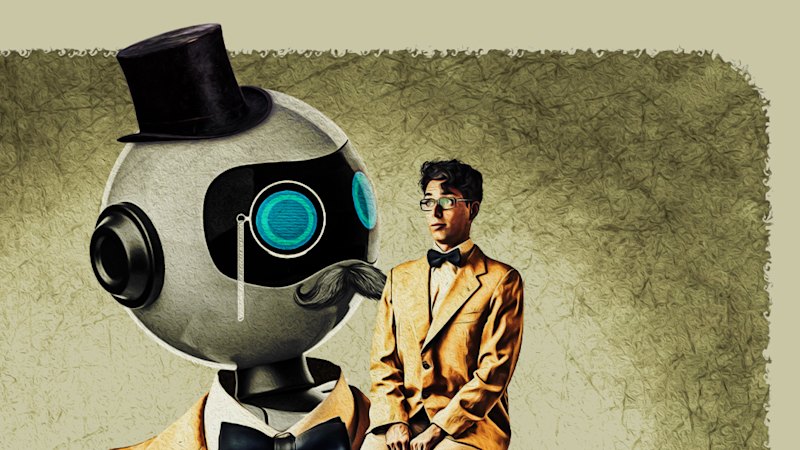
In recent years, Artificial Intelligence (AI) has transformed significantly from the realms of science fiction into an integral part of daily life and human interaction. Notably, platforms such as ChatGPT have begun to redefine their roles, evolving from mere tools for generating text to becoming cherished companions and confidants for many. This shift indicates a profound change, as users now rely on AI for not only information and guidance but also emotional support and companionship.
ChatGPT, developed by OpenAI, has facilitated a dramatic shift in how individuals perceive their interactions with technology. Initially regarded as a coding assistant and aiding in creative writing, its capabilities have broadened. In contemporary scenarios, many users engage with ChatGPT as a surrogate friend or therapist during late-night hours, sharing worries and seeking advice without the judgment often associated with human interaction.
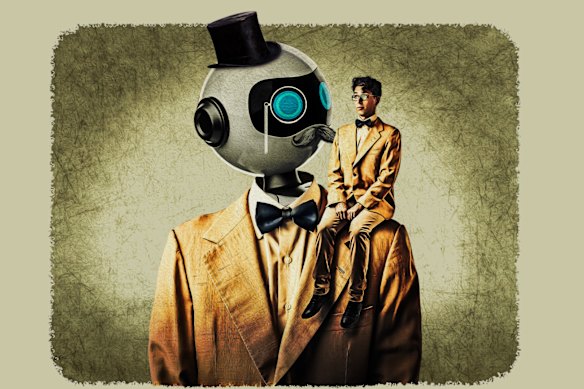
ChatGPT: From writing assistant to a confidant and friend.
This progression raises critical questions about the nature of companionship in the digital age. Can AI, devoid of emotions, truly provide comfort in moments of distress? How do these interactions influence our understanding of friendship and emotional intimacy? Though concerns remain regarding the limitations of AI in providing genuine empathy, many users report feelings of relief and relaxation when communicating with their AI counterparts as they often find them more approachable than human friends.
The societal implications of AI as a companion are profound. As loneliness becomes an increasing issue in modern life, especially in urban settings, technologies such as ChatGPT could help alleviate feelings of isolation. The platform allows individuals, particularly those feeling marginalized or unable to connect with others, to express themselves freely without fear of stigma, which is encouraging for mental health.
However, the reliance on AI for emotional needs also evokes concerns about the potential for addiction to virtual companionship. Some experts warn that substituting human relationships with AI interactions may lead to a decline in traditional social bonds, influencing interpersonal skills adversely. The line between beneficial companionship and harmful dependency is delicate and warrants consideration as AI continues to advance.
In parallel to the rise of ChatGPT as a comforting presence, other technological advancements are occurring. The escalating interest in robotics and AI companions can be seen in the burgeoning market for lifelike AI robots. Companies are investing in developing robots that yield human-like interactions, aiming to bridge the gap between technology and companionship further.
Apple, for instance, is reportedly venturing into this territory, aiming to integrate AI technology into home environments with the potential introduction of a tabletop robot powered by an advanced version of Siri. This move represents a significant shift in corporate strategy, as companies increasingly look to AI not just as tools but as integral members of the home or workplace by offering convenient service and enriched interactions.

The potential of AI robots in daily life raises both excitement and ethical debates.
Moreover, the rapid evolution of AI has sparked a wave of discussions surrounding ethics and responsibility. With various institutions and governments grappling with how to approach AI legislation, the conversation frequently highlights issues pertaining to misuse and the potential for AI to cause harm, intentionally or not. As AI systems like ChatGPT take on roles traditionally reserved for humans, it becomes essential to establish frameworks that ensure responsible use and to consider the ethical ramifications of creating entities designed to interact with humans on an emotional level.
For many users, the adventures with AI do not merely encompass technology; they regularly cross over into realms previously considered purely human—such as love, companionship, and nuanced relationships. The question remains: how do we redefine what it means to connect with others when some dynamics become intertwined with programmable entities? This evolving perception challenges pre-existing notions of human relationships and emotional dependency.
In conclusion, the journey we are embarking on with AI companions such as ChatGPT is filled with excitement and caution. While the potential for AI to provide significant comfort and companionship is undeniable, we must navigate the challenges it presents. Engaging with AI as emotional allies can greatly influence individual well-being, but maintaining a balance between real-life relationships and those with AI is critical. As we continue to push boundaries in technology, ongoing dialogues about ethics, emotional engagement, and companionship will be integral to charting a responsible path forward.